Alex Grey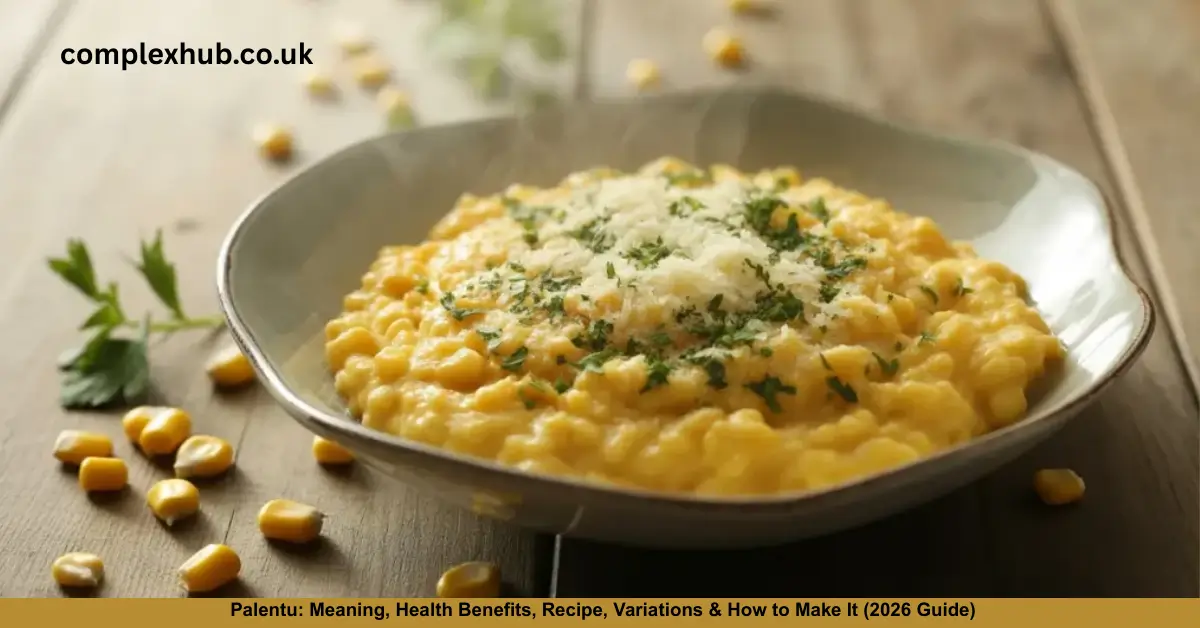
Introduction to Palentu
Palentu is a humble yet deeply nourishing cornmeal dish enjoyed across parts of Europe—especially the Balkans and regions influenced by Italian cuisine. Often compared to Polenta, Palentu is a thick, comforting porridge that can be served creamy, sliced, fried, baked, sweet, or savory.
More than just food, Palentu represents tradition, simplicity, and resilience. For generations, families have relied on it because it is:
- Affordable
- Filling
- Naturally gluten-free
- Easy to prepare
- Endlessly adaptable
In today’s fast-food culture, Palentu remains proof that simple ingredients can deliver powerful nutrition.
What Is Palentu?
Palentu is a traditional cornmeal dish made by slowly cooking coarse or medium-ground cornmeal in water, milk, or broth until thickened.
It can be:
- Served soft and spoonable
- Spread into a tray and cooled until firm
- Sliced and fried, grilled, or baked
- Prepared sweet or savory
In many rural communities, Palentu is everyday comfort food—accessible to all ages and income levels.
Origins and History of Palentu
European Roots After Maize Arrival
Maize arrived in Europe during the 16th century after being introduced from the Americas. Because it was inexpensive, easy to grow, and highly filling, corn quickly became a staple—especially among farming communities.
Balkan Cultural Significance
Palentu is closely associated with:
- Bosnia and Herzegovina
- Serbia
- Croatia
- Montenegro
In these regions, it appears at:
- Family meals
- Seasonal gatherings
- Rural farm breakfasts
- Festive occasions
Each region developed its own texture preferences and toppings.
Related Traditional Dishes Across Europe
Cornmeal-based dishes evolved differently depending on local traditions:
- Polenta – Northern Italy (smoother and creamier)
- Žganci – Slovenia & Croatia (coarser, crumbly style)
- Mămăligă – Romania & Moldova (often firm and sliceable)
- Pura – Slovenian variation
All share the same foundation: cornmeal cooked slowly with liquid.
Palentu Meaning and Definition
The term “Palentu” refers to cornmeal porridge or mush. Linguistically, it is considered a regional variation of the word “polenta.”
Why the Name Changes
As maize spread across Europe, languages adapted the term differently. Dialects shaped pronunciation and spelling—resulting in Palentu, Polenta, Mămăligă, and other variations.
Why People Love Palentu
1. Budget-Friendly and Accessible
Cornmeal is one of the most affordable grains worldwide, making Palentu ideal during economic hardship.
2. Extremely Versatile
Palentu works as:
- Breakfast porridge
- Side dish
- Main course
- Fried snack
- Sweet dessert
3. Comfort Food Year-Round
- Winter: served warm with butter and cheese
- Summer: topped with yogurt, herbs, and vegetables
4. Ideal for Meal Prep
Once cooled and firm, it can be sliced and reused throughout the week.
The Palentu Diet Explained
The “Palentu diet” is not a strict plan but a whole-food lifestyle centered around simple, minimally processed meals.
Why It Supports Healthy Eating
- Naturally gluten-free
- Provides steady-release complex carbohydrates
- Easy to combine with nutrient-dense foods
- Plant-based friendly
Pairing Palentu with beans, lentils, vegetables, and seeds creates a complete vegetarian meal.
Health Benefits of Palentu
Naturally Gluten-Free
Pure cornmeal contains no gluten, making Palentu suitable for individuals with gluten sensitivity or celiac disease.
Supports Digestive Health
Fiber in cornmeal promotes:
- Regular bowel movement
- Improved gut health
- Better satiety
Provides Essential Minerals
Cornmeal contains:
- Magnesium – supports muscles and nerves
- Phosphorus – supports bone health
- Iron – helps oxygen circulation
- Zinc – strengthens immunity
Helps With Weight Management
Palentu is filling yet moderate in calories, which can reduce overeating when portions are balanced.
Stabilizes Energy Levels
Its complex carbohydrates release glucose gradually, avoiding dramatic blood sugar spikes.
Palentu Nutrition Facts (1 Cup Cooked)
Approximate values (varies by preparation):
- Calories: 150–180
- Carbohydrates: 30–35 g
- Protein: 3–4 g
- Fat: 1–2 g
- Fiber: 2–3 g
Adding butter, oil, cheese, or milk increases calorie content.
How to Make Palentu (Step-by-Step)
Ingredients
- 1 cup cornmeal
- 3–4 cups water, milk, or broth
- Salt to taste
- Optional: butter, olive oil, cheese, herbs
Cooking Method
- Bring liquid to a boil.
- Add salt.
- Slowly pour cornmeal while stirring continuously.
- Reduce heat to medium-low.
- Cook 10–20 minutes, stirring often.
- Adjust thickness with extra liquid if needed.
- Add optional flavorings.
Tips for Perfect Texture
- Add cornmeal gradually to prevent lumps
- Stir consistently
- Avoid high heat to prevent burning
- Use a wooden spoon for better control
Basic Creamy Palentu Recipe
Ingredients
- 1 cup cornmeal
- 4 cups water (or half milk for creaminess)
- 1 tsp salt
- 1 tbsp butter (optional)
Instructions
Cook liquid, add cornmeal slowly while stirring, simmer until thick, and finish with butter or cheese. Serve immediately while warm and creamy.
Serving Ideas
- With sautéed vegetables
- Topped with tomato sauce
- Mixed with garlic and olive oil
- Sprinkled with herbs and cheese
Popular Palentu Variations
Savory Styles
- Cheese and butter enriched
- Herb and garlic version
- Topped with tomato sauce
- Stuffed bell peppers with Palentu filling
Sweet Styles
- Honey and fresh fruit
- Cinnamon breakfast bowl
- Yogurt, nuts, and berries
Set, Fried, or Baked Palentu
How to Firm It
Spread cooked Palentu into a greased tray and let cool until solid (1–2 hours).
After Setting
- Pan-fried – crispy outside, soft inside
- Baked – golden crust
- Grilled – smoky flavor
This method transforms leftovers into entirely new meals.
Palentu for Special Diets
- Gluten-free: naturally safe
- Vegan: use water or plant milk
- Dairy-free: skip butter and cheese
- Low-fat: cook with water only
- Weight-loss friendly: pair with vegetables and lean proteins
Meal Prep and Storage
Storage
- Refrigerate in airtight container
- Keeps 3–4 days
Reheating
- Microwave with a splash of water
- Gently reheat in a pan
- Fry or bake slices
Cook once and enjoy multiple variations all week.
Frequently Asked Questions
What is Palentu made of?
Cornmeal cooked in water, milk, or broth.
Is Palentu healthy?
Yes, especially when paired with vegetables and moderate fats.
How is it different from polenta?
Palentu tends to have a more rustic texture and Balkan preparation style.
Can you freeze it?
Yes—firm slices freeze well.
What pairs well with Palentu?
Cheese, vegetables, meat, sauces, fruits, yogurt, or honey.
Why Palentu Still Matters in 2026
Modern diets increasingly value:
- Whole foods
- Budget-conscious meals
- Gluten-free options
- Plant-based flexibility
Palentu naturally meets all these needs.
In a time when processed foods dominate shelves, this centuries-old dish remains practical, nourishing, and culturally meaningful.
Conclusion
Palentu is far more than a simple cornmeal dish. It carries centuries of European history, cultural identity, and nutritional value. Whether creamy, fried, baked, sweet, or savory, it adapts effortlessly to modern lifestyles.
Affordable, gluten-free, and endlessly versatile, Palentu stands as one of Europe’s most underrated traditional foods—simple in ingredients, yet rich in nourishment and tradition.
If you’re looking for a comforting, wholesome, and flexible meal in 2026, Palentu deserves a place in your kitchen.
Read More :- Blane McGuigan