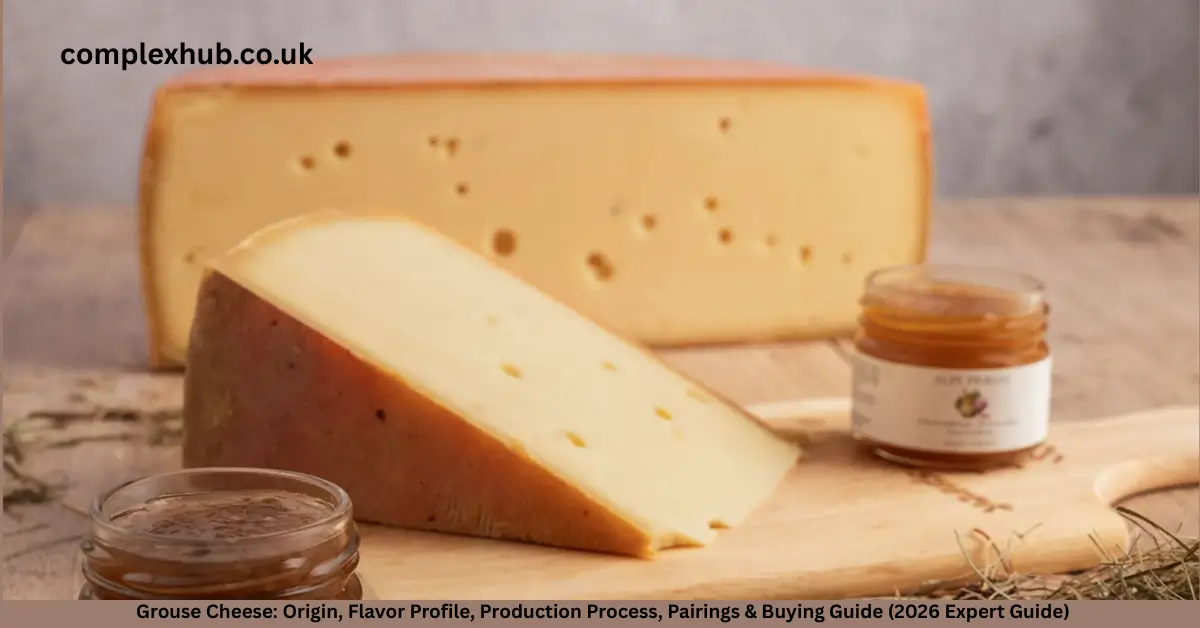
Introduction to Grouse Cheese
When you think of iconic cheeses, varieties like brie, cheddar, or gouda may come to mind. But there’s a growing niche in the world of artisanal dairy that’s turning heads among gourmet circles — grouse cheese.
Far from being made from the bird itself, grouse cheese draws its identity from the wild landscapes associated with grouse habitats — from heather-covered hills to forests rich with botanical aromas. The result is a cheese that embodies tradition, terroir, and sophistication.
Today, grouse cheese is recognized not just for its flavor but for the expertise and passion invested in every wheel. It reflects a movement in artisanal food culture where heritage meets innovation — a trend redefining how gourmet consumers approach cheese.
What Is Grouse Cheese?
Grouse cheese is an artisanal cheese variety known for its complex flavor profile and regional diversity. The term “grouse” in its name doesn’t imply that the cheese contains grouse meat or bird products. Instead, it symbolizes the earthiness and rustic purity associated with areas where grouse thrive, such as the Scottish Highlands, Nordic forests, and alpine pastures.
Traditional vs. Infused Styles
Grouse cheese generally falls into two broad categories:
- Traditional Style: Crafted from milk — typically cow’s, goat’s, or sheep’s — that reflects distinct environmental influences. These cheeses are aged in cellars with unique aromatic conditions.
- Infused or Specialty Style: Enhanced through methods like smoke infusion, brine washes, or aging in herb-scented environments. These versions aim to mimic the distinctive earthy and smoky notes associated with grouse habitats.
While the term might sound exotic, properly made grouse cheese emphasizes craftsmanship and terroir — similar to how “Champagne” refers to sparkling wine from a specific region.
The Origins and History of Grouse Cheese
The history of grouse cheese is not as widely documented as some ancient European cheeses, but its roots can be traced to regions with rich dairy traditions and wild landscapes.
Symbolism of the Grouse
Grouse are ground-dwelling birds native to northern Europe, especially in Scotland and Scandinavia. In many local traditions, the grouse symbolizes rugged landscapes, wild freedom, and natural purity — qualities that cheese makers wanted to capture in their dairy creations.
Early Alpine and British Cheesemaking Traditions
Cheesemaking itself has roots that go back thousands of years, with early European shepherds using milk from their herds to produce durable, transportable food. The conditions where cheese aged — caves, alpine cellars, and hearth-adjacent storerooms — heavily influenced flavors.
When local dairies began experimenting with aging cheese in environments rich with wood smoke, dried herbs, and even game cooking aromas, distinctive earthy notes began to emerge. Over time, some artisans refined these methods into intentional practices that inspired what we now call grouse cheese.
Modern Revival and Artisan Innovation (2020s)
By the early 2020s, several boutique creameries in the UK, Sweden, and beyond started incorporating controlled aging techniques, natural herb infusions, and curated environmental aromatics into their cheeses. This led to richer and more complex offerings that bridged tradition with innovation.
By 2026, grouse cheese has become a sought-after artisanal product — particularly among chefs, cheese sommeliers, and gourmet enthusiasts seeking alternatives to mainstream cheese varieties.
Types and Regional Varieties of Grouse Cheese
Grouse cheese isn’t a monolith — it varies widely depending on region, milk source, aging methods, and local botanical influences.
Here’s a look at some well-known regional styles:
Northern Scotland (Cow’s Milk)
- Aging: ~8–10 months
- Flavor Notes: Nutty, smoky, mildly herbal
- Texture: Semi-hard
Sweden – Skåne (Goat’s Milk)
- Aging: ~4–6 months
- Flavor Notes: Tangy, earthy, lightly smoke-kissed
- Texture: Spreadable to semi-firm
North Yorkshire (Sheep’s Milk)
- Aging: ~10–12 months
- Flavor Notes: Robust, moss-like, deep herbaceous tones
- Texture: Crumbly yet rich
These variations highlight how terroir — the environmental and botanical characteristics of a location — directly influences flavor. Milk from animals grazing on wild herbs, heather, or juniper produces distinct aromatic compounds that translate into the cheese character.
How Grouse Cheese Is Made (Step-by-Step Production Process)
The making of grouse cheese blends traditional cheese techniques with controlled environmental artistry. Below is a simplified overview of how the process unfolds:
Milk Selection & Pasture Influence
Quality begins with milk. For premium grouse cheese, producers often use:
- 100% grass-fed dairy herds
- Free-range animals
- Milk rich in natural aromatic compounds
The pasture flora — wild herbs, heather, clover, and moss — becomes integrated into the milk’s flavor profile.
Culturing and Fermentation
Once the milk is collected, it is gently pasteurized to remove harmful bacteria while preserving flavor. Specific cultures and enzymes are added to initiate fermentation.
This crucial step shapes how the milk will break down into curds and develop early flavor nuances.
Curd Formation and Whey Separation
Fermented milk forms curds, which are cut to release whey. The size of the cuts influences final moisture content. Smaller cuts lead to firmer cheese, while larger curds retain more moisture.
After cutting:
- Curds are gently heated and stirred
- Whey is drained
- Curds are pressed into molds
Aging Environment (Cellars, Smoke, Botanicals)
What sets grouse cheese apart is how it is aged. Rather than standard cool, dry rooms, many artisan makers age cheese in:
- Wood-smoke-infused cellars
- Chambers with dried wild herbs
- Juniper or moss-lined racks
These environments impart nuanced aromatic layers — earthiness, smoke, forest notes — often absent in other cheese types.
Aging may last from 4 months to over 12 months depending on desired complexity and texture.
Rind Washing & Brining Techniques
Some producers use specialized brine — occasionally infused with:
- Wild herb reductions
- Light smoke oils
- Grouse stock (symbolic, not functional)
This enhances rind flavor and intensifies aromatic complexity.
The Signature Flavor Profile of Grouse Cheese
Grouse cheese offers one of the most intriguing taste experiences in gourmet cheese. It’s complex yet balanced — earthy yet refined.
Texture and Mouthfeel
- Young: Creamy, smooth
- Aged: Firm, crumbly, slightly crystalline
Aromatic and Taste Notes
- First Bite: Buttery, mild dairy sweetness
- Mid-Palate: Earthy tones reminiscent of forest floor
- Finish: Smoky, herbaceous, mild tang
The flavor evolves with age — shorter aging yields softer, grassier notes, while extended aging deepens earthiness and introduces subtle smoky undertones.
Comparison with Other Cheeses
- Vs. Cheddar: Grouse cheese is more complex and earthy
- Vs. Brie: Firmer texture with deeper aromatic depth
- Vs. Alpine Cheeses: Less sharp, more layered herbaceous tones
Nutritional Value and Health Benefits
Despite its gourmet status, grouse cheese delivers a nutritionally rich profile — especially when part of a balanced diet.
Key Nutrients (per 100g)
- Protein: 21–24g
- Calcium: 600–700mg
- Vitamin B12: ~1.5µg
- Healthy Fats: ~26–30g
- Probiotics: Present in aged versions
Health Benefits
- Supports Bone Health: High calcium content promotes bone density
- Muscle Maintenance: Rich protein helps muscle repair
- Energy Production: B12 aids metabolic function
- Healthy Fats: Promote satiety and nutrient absorption
- Probiotics: Aid digestion and gut health
Moderation is key — like all cheeses, grouse cheese is calorie-dense, but its nutrient density makes it a better choice than many processed dairy products.
Culinary Uses: How Chefs Use Grouse Cheese
Grouse cheese is reinventing menus in gourmet kitchens worldwide. Its bold profile stands up to strong flavors and elevates classic dishes.
Charcuterie Boards
Pair with:
- Cured meats (prosciutto, bresaola)
- Olives
- Seasonal fruits
- Artisan breads
Pasta & Risotto
Grouse cheese melts beautifully over:
- Wild mushroom tagliatelle
- Truffle risotto
- Creamy herb pasta
Sandwiches & Toasts
- Grilled sourdough with honey drizzle
- Flatbread with roasted nuts and berries
- Gourmet grilled cheese blends
Savory Cheesecakes & Entrees
- Wild herb cheesecake with berry glace
- Stuffed game birds (e.g., quail, pheasant)
- Seasonal fall menus
Perfect Pairings with Grouse Cheese
Pairing grouse cheese is all about harmony — matching its complexity with balanced counterparts.
🍷 Wine Pairings
- Red: Pinot Noir, Syrah, Tempranillo
- White: Oaked Chardonnay, Gewürztraminer
- Sparkling: Brut or light rosé for contrast
🍴 Food Pairings
- Wild mushrooms
- Roasted nuts (hazelnuts, walnuts)
- Cranberry or juniper sauces
- Sourdough rye or herb crackers
- Truffle honey
Sustainability and Ethical Production
Artisanal producers of grouse cheese often prioritize sustainability:
- Grass-fed livestock
- Humane animal welfare standards
- Minimal environmental impact
- Biodegradable or recyclable packaging
- Local sourcing to reduce carbon footprint
This focus aligns with modern consumer values: ethical sourcing, transparency, and responsible farming practices.
How to Buy Grouse Cheese (Expert Buying Guide)
Finding grouse cheese can be challenging due to its niche production, but here’s how to source the best.
Where to Find It
- Local artisan cheesemongers
- Specialty food markets (seasonal)
- Gourmet cheese retailers
- Online artisan cheese shops
What to Look For
- Clear aging duration
- Source of milk (cow, goat, sheep)
- Pasture-grazing practices
- Aroma notes on label
Price Expectations
Premium artisanal cheeses like grouse cheese often range higher in price — reflective of:
- Small-batch production
- Long aging time
- Handcrafted methods
How to Store Grouse Cheese Properly
To preserve flavor and texture:
Recommended Storage
- Wrap in wax or parchment paper
- Place in fridge drawer (cool, stable temp)
- Use airtight container for later aging
Shelf Life
- Fresh cut wheel: ~1–2 weeks
- Vacuum sealed (unopened): ~2 months
Avoid freezing; it alters texture and diminishes nuanced flavor.
Always allow cheese to reach room temperature before serving — this unlocks complexity.
Can You Make Grouse Cheese at Home?
True grouse cheese production requires aging cellars and environmental control — not easily reproduced at home. However, you can replicate flavor influence by:
- Selecting mild base cheese
- Infusing with herb brine
- Aging wrapped in smoke-scented cloth
- Rotating daily for 7–10 days
This method won’t produce traditional grouse cheese but offers a flavorful homage.
Is Grouse Cheese Worth It? (Expert Opinion)
For adventurous gastronomy lovers, the answer is yes.
- Flavor depth: unmatched earthy complexity
- Versatility: works in diverse culinary settings
- Nutrition: nutrient-dense and satisfying
- Experience: connects culture, craft, and terroir
It’s not everyday cheese — but for those who appreciate artisan quality and nuanced taste, grouse cheese is a worthwhile addition to any culinary repertoire.
Frequently Asked Questions (FAQs)
Is grouse cheese vegetarian?
Mostly yes — though check labels if produced with animal-based rinds or smoke.
Does grouse cheese taste like game meat?
No — the flavor is evocative of earthy environments, not actual game meat.
Is it lactose-free?
Not fully, but aging reduces lactose content, making it easier for sensitive individuals to digest.
Why is it expensive?
Small-batch production, aging time, and artisanal methods drive cost.
How long does it last?
Up to 2 months unopened, shorter once cut.
What’s the best wine pairing?
Pinot Noir for reds and oaked Chardonnay for whites.
Final Thoughts: Why Grouse Cheese Is a True Artisanal Treasure
Grouse cheese is more than cheese — it’s an expression of place, craft, and culinary artistry. Its rise in gourmet culture reflects shifting consumer tastes toward authentic, sustainably produced, and flavor-rich foods. Whether served on a charcuterie board, shaved over pasta, or enjoyed alongside fine wine, grouse cheese invites you to explore a world beyond ordinary dairy.
For food lovers seeking new experiences, this cheese is a celebration of terroir, tradition, and taste.
Read More :- MAP 2.0 Post Assessment Answers