Alex Grey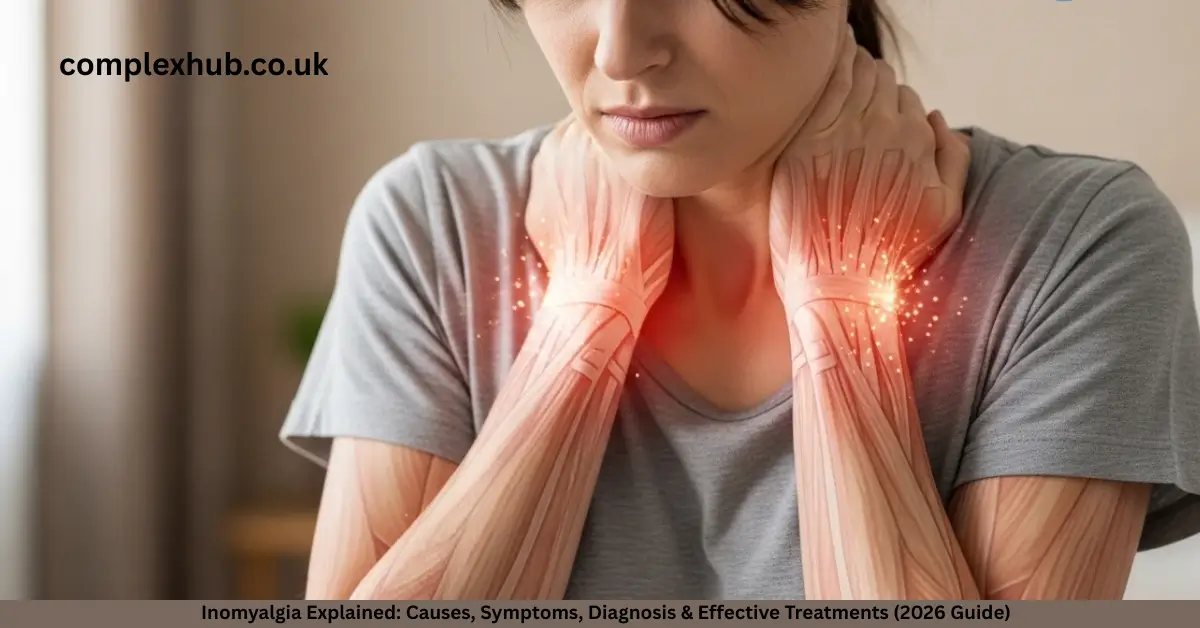
1. Introduction
Inomyalgia is a chronic condition characterized by persistent muscle pain and discomfort that can last weeks, months, or even years. Unlike the temporary soreness experienced after intense workouts, inomyalgia can be debilitating, affecting mobility, sleep, mood, and overall quality of life.
Although “inomyalgia” is not always formally recognized in every medical textbook, its symptoms closely resemble chronic myalgia, fibromyalgia, and certain fatigue-related syndromes. Understanding this condition is essential for anyone experiencing prolonged muscle pain that doesn’t respond to rest or standard interventions.
2. What Is Inomyalgia?
At its core, inomyalgia refers to ongoing muscle pain:
- “Ino” — implying persistent or continuous
- “Myalgia” — meaning muscle pain
Symptoms can include:
- Deep, aching or burning muscle pain
- Sharp, stabbing discomfort
- Tenderness and stiffness
- Weakness or heaviness in affected muscles
Pain may affect a single area or multiple regions, significantly impacting daily activities such as walking, lifting, or even sitting for extended periods. Inomyalgia often requires a multifaceted approach to diagnosis and treatment because its causes can be diverse and overlapping.
3. Inomyalgia vs Fibromyalgia
While chronic muscle pain is often classified as fibromyalgia in clinical settings, key differences exist:
| Feature | Fibromyalgia | Inomyalgia |
|---|---|---|
| Pain | Widespread across multiple body regions | Focused on muscle pain; may be localized or widespread |
| Cognitive Symptoms | Often includes “fibro fog” | Typically absent |
| Sleep Issues | Common | Can occur, often secondary to pain |
| Diagnosis | Based on standardized criteria | Symptom-based, after ruling out other causes |
In short, fibromyalgia is a systemic pain syndrome, while inomyalgia is more muscle-centered, often linked to specific triggers like autoimmune disorders, infections, or deficiencies.
4. Common Symptoms of Inomyalgia
Symptoms vary but frequently include:
- Persistent Muscle Pain: Deep, burning, or stabbing discomfort lasting weeks or months
- Muscle Stiffness: Especially after rest or inactivity, often worst in the morning
- Weakness: Difficulty lifting or performing physically demanding tasks
- Fatigue: Persistent tiredness despite adequate sleep
- Tender Points: Pain when pressing muscles, commonly in shoulders, neck, back, or thighs
- Sleep Disturbances: Trouble falling or staying asleep
- Sensitivity: Increased discomfort from touch or temperature changes
Unlike typical post-exercise soreness, inomyalgia persists and may fluctuate, sometimes spreading to previously unaffected muscle groups.
5. Causes of Inomyalgia
Inomyalgia is often multifactorial, with several contributing elements:
5.1 Muscle Overuse or Strain
Repetitive or intense physical activity can create microtears and inflammation that fail to heal fully.
5.2 Infections
Certain viral or bacterial infections can trigger muscle inflammation, including:
- Influenza
- Lyme disease
- Viral myositis
5.3 Autoimmune Disorders
Immune system dysfunction can attack healthy muscle tissue, seen in conditions like:
- Lupus
- Polymyositis
- Rheumatoid arthritis
5.4 Nutritional Deficiencies
Essential nutrients for muscle function, when deficient, may lead to pain and weakness:
- Vitamin D
- Magnesium
- Potassium
5.5 Medication Side Effects
Some medications, particularly statins, may cause persistent muscle pain while in use.
5.6 Chronic Fatigue & Neurological Conditions
Central sensitization or chronic fatigue syndromes may present with inomyalgia as part of broader symptom complexes.
5.7 Stress and Psychological Factors
Chronic stress increases muscle tension and slows recovery, contributing to persistent discomfort.
6. Risk Factors
Factors that increase the likelihood of inomyalgia include:
- Age: More common in adults, especially middle-aged
- Gender: Women report higher incidence
- Sedentary lifestyle or poor posture
- Previous injuries in affected areas
- Autoimmune predisposition (family history)
- Nutrient deficiencies (especially vitamin D)
Proactive awareness of risk factors can help with prevention and early intervention.
7. How Is Inomyalgia Diagnosed?
There’s no single test for inomyalgia. Diagnosis relies on clinical evaluation and ruling out other conditions:
Medical History
Questions include:
- Pain onset and duration
- Activities that aggravate or relieve symptoms
- Previous injuries, illnesses, or medication use
- Family history of autoimmune or chronic pain disorders
Physical Examination
Doctors assess:
- Muscle tenderness
- Range of motion
- Strength testing
- Localization of pain
Laboratory Tests
Blood tests may detect:
- Inflammation markers
- Vitamin or mineral deficiencies
- Thyroid function
- Autoimmune antibodies
Imaging
MRI or ultrasound may reveal structural abnormalities or inflammation.
Differential Diagnosis
Conditions to rule out:
- Fibromyalgia
- Chronic fatigue syndrome
- Nerve compression or joint disorders
- Infectious myositis
Accurate diagnosis is critical to tailor effective treatment.
8. Treatment Options for Inomyalgia
A multi-modal approach is often most effective:
Medications
- Pain relievers (non-opioid analgesics)
- Muscle relaxants
- Anti-inflammatories
- Nutritional supplements (vitamin D, magnesium)
Physical Therapy & Exercise
- Low-impact exercises like walking, swimming, yoga, or Tai Chi
- Focus on consistency over intensity
Lifestyle Modifications
- Good sleep hygiene
- Balanced nutrition
- Stress reduction techniques (meditation, deep breathing)
Alternative Therapies
- Acupuncture
- Massage therapy
- Chiropractic care
- Herbal supplements (e.g., turmeric, ginger)
- Mind-body practices like guided imagery or mindfulness
Combining conventional medicine with alternative approaches can maximize symptom relief.
9. Preventing Inomyalgia
While not all cases are preventable, strategies include:
- Proper warm-ups before exercise
- Avoiding repetitive strain
- Maintaining good posture
- Balanced diet and adequate hydration
- Regular moderate physical activity
- Early attention to persistent muscle pain
10. Living with Inomyalgia
Successful management involves a holistic approach:
- Track symptoms in a pain journal
- Set realistic daily activity goals
- Build a support network of family, friends, or support groups
- Consider professional help from chronic pain therapists
With careful planning and support, individuals can improve quality of life despite chronic pain.
11. Common Misconceptions
- Myth: “It’s just normal soreness.” → Reality: Persistent pain indicates an underlying issue.
- Myth: “Rest alone cures it.” → Reality: Treatment requires active management.
- Myth: “Only athletes get it.” → Reality: Anyone can develop inomyalgia, especially those with autoimmune disorders, deficiencies, or chronic stress.
12. When to See a Doctor
Seek medical evaluation if you experience:
- Severe or worsening muscle pain
- Persistent weakness
- Swelling or inflammation
- Fever with muscle pain
- Symptoms lasting more than a few weeks
Early diagnosis improves treatment outcomes.
13. Future Research & Developments
Ongoing studies are exploring:
- Genetic predisposition to chronic muscle pain
- Novel therapies, including biologics and targeted treatments
- Integrative care models combining conventional and complementary approaches
Emerging research promises more precise diagnostics and personalized treatments for inomyalgia.
14. Conclusion
Inomyalgia is a complex, persistent muscle pain condition that affects both physical and emotional well-being. Understanding its causes, symptoms, and treatment options empowers individuals to manage their condition effectively.
By combining medical care, lifestyle adjustments, and complementary therapies, most people can achieve meaningful relief and improved quality of life. Awareness, proactive management, and support networks are key to living well with inomyalgia.
15. Frequently Asked Questions (FAQs)
1️⃣ What is inomyalgia?
It’s chronic muscle pain that lasts longer than ordinary soreness, often persisting for weeks or months.
2️⃣ What causes inomyalgia?
Causes include muscle overuse, infections, autoimmune disorders, nutrient deficiencies, medication side effects, chronic fatigue, and stress.
3️⃣ How is it diagnosed?
Through medical history, physical examination, lab tests, imaging, and ruling out other conditions.
4️⃣ What treatments help?
Medications, physical therapy, lifestyle changes, stress management, and complementary therapies like massage and acupuncture.
5️⃣ Can inomyalgia be prevented?
Prevention strategies include proper warm-ups, avoiding repetitive strain, good posture, regular activity, and balanced nutrition.
Read More :- Tarnplanen