Alex Grey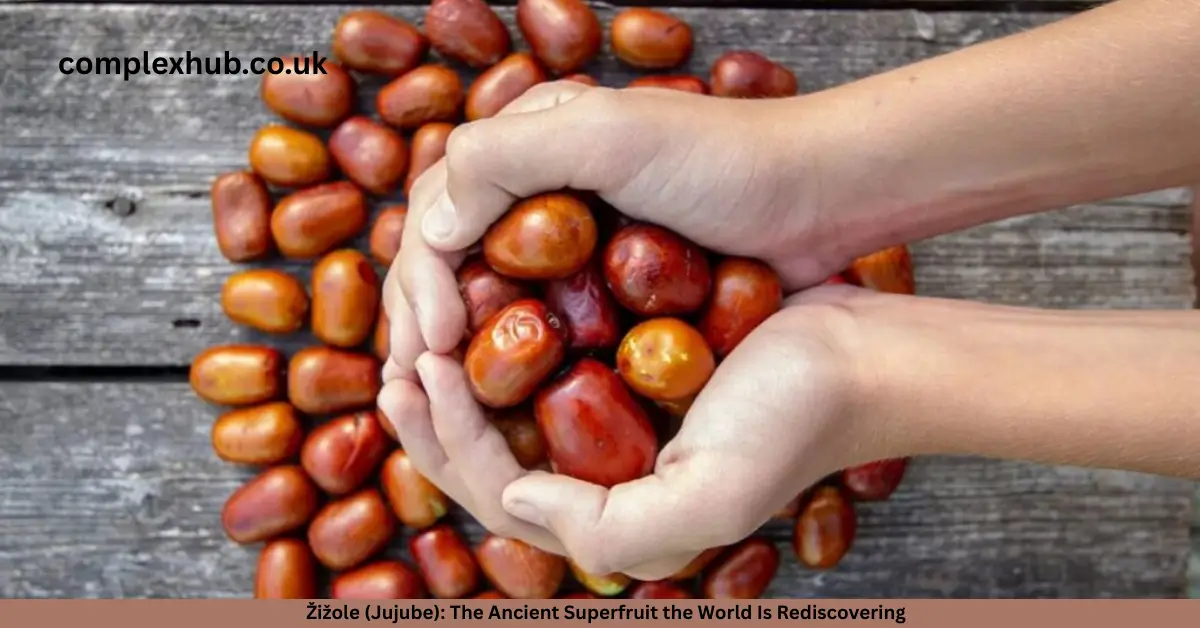
Introduction
Small, reddish-brown, and deceptively powerful, žižole—known globally as jujube or Chinese date—is quietly staging a comeback. Revered for millennia in traditional medicine and regional cuisines, this ancient fruit is now capturing the attention of nutritionists, chefs, and sustainability advocates worldwide.
Fresh žižole offers a crisp, apple-like bite. Dried, it transforms into a chewy, naturally sweet delicacy reminiscent of dates. But its appeal goes far beyond taste. As the global food system searches for nutrient-dense, climate-resilient crops, žižole stands out as a fruit rooted in history yet perfectly suited for the future.
What Are Žižole? (Jujube Fruit Explained)
Botanically classified as Ziziphus jujuba, žižole belongs to the buckthorn family (Rhamnaceae). The fruit is small and oval, beginning green and gradually ripening into a yellowish-red or deep reddish-brown hue.
- Fresh žižole: crisp, mildly sweet, and refreshing
- Ripe žižole: softer, honeyed, and aromatic
- Dried žižole: chewy, rich, and date-like
The jujube tree itself ranges from a large shrub to a small tree, with glossy leaves, tiny yellow flowers, and—on some varieties—thorny branches.
Names Around the World
- Jujube
- Chinese date
- Red date
- Žižole (Mediterranean & Dalmatian regions)
Origin and History: Over 4,000 Years of Cultivation
Ancient Roots in China
Žižole is among the world’s oldest cultivated fruits. Archaeological findings and historical records trace its domestication in China back more than 4,000 years, where it became deeply embedded in agriculture, medicine, and daily life.
Journey Along Trade Routes
From China, jujube spread across Central Asia, the Middle East, and eventually into the Mediterranean basin. Each region adapted the fruit to its climate and cuisine. In Dalmatia and surrounding areas, it became affectionately known as žižole, a seasonal treasure used in preserves, desserts, and traditional brandy.
Folklore and Traditional Medicine
Across cultures, žižole served dual roles as both food and medicine.
- In Traditional Chinese Medicine (TCM), it was prized for calming the mind, nourishing blood, and supporting digestion.
- In European folk traditions, it symbolized winter survival, vitality, and long life.
How Žižole Grows: Tree, Climate, and Cultivation
Tree Characteristics
Jujube trees typically grow between 4 and 10 meters, though orchard varieties are often pruned smaller. They are long-lived, highly adaptable, and capable of producing fruit for decades.
Climate and Soil Adaptability
One of žižole’s greatest strengths is its exceptional drought tolerance. It thrives in hot, dry climates and can grow in poor or marginal soils where other fruit trees fail—making it a standout crop in the age of climate change.
Modern Cultivation
China dominates global production, cultivating hundreds of varieties. Beyond China, jujube farming is expanding in:
- India
- Pakistan
- Iran
- Egypt
- Mediterranean countries
- United States
- Australia
Modern research focuses on improving yield, fruit size, sweetness, pest resistance, and water efficiency.
Taste, Texture, and Varieties of Žižole
Fresh Žižole
Crunchy, juicy, and lightly sweet—often compared to apples but with a more delicate flavor.
Fully Ripe Žižole
Softer and sweeter, with floral, honey-like notes.
Dried Žižole
Wrinkled, chewy, and richly sweet, similar to dates but with a unique flavor profile.
Varietal Diversity
China alone has hundreds of cultivars, bred for:
- fresh consumption
- drying quality
- sweetness
- regional climate adaptation
Nutritional Profile of Žižole (Per 100 g, Fresh Fruit)
- Calories: ~79 kcal
- Carbohydrates: ~20 g
- Protein: 1–1.5 g
- Fat: ~0.2 g
- Fiber: moderate
- Vitamin C: 60–70 mg (exceptionally high)
- Potassium: ~250 mg
- Iron: ~0.4–0.5 mg
This profile makes žižole a low-fat, antioxidant-rich fruit with impressive micronutrient density.
Health Benefits Supported by Research
1. Immune System Support
High vitamin C levels strengthen immune defenses and protect against oxidative stress.
2. Digestive Health
Dietary fiber promotes gut health, regularity, and satiety.
3. Heart Health
Potassium and antioxidant compounds support cardiovascular balance and circulation.
4. Calming Effects and Sleep Support
Long used in TCM, modern studies suggest jujube extracts may help improve sleep quality and reduce anxiety-like symptoms.
5. Anti-inflammatory and Antioxidant Action
Flavonoids and triterpenic acids help combat inflammation and cellular damage.
6. Skin and Anti-Aging Benefits
Jujube’s antioxidant profile has earned it a place in modern skincare formulations.
Traditional and Modern Medicinal Uses
Traditional Chinese Medicine
Used to:
- nourish blood
- harmonize digestion
- calm the spirit
- support recovery
Often combined with other herbs to balance formulas.
European Folk Medicine
Traditionally used for:
- coughs
- fatigue
- digestive discomfort
Modern Uses of Žižole Today
Supplements
- capsules
- tinctures
- sleep and stress formulas
Skincare and Cosmetics
- serums
- creams
- anti-aging products
Contemporary Cuisine
- fresh in salads and desserts
- dried in stews, teas, and energy snacks
Everyday Ways to Enjoy Žižole
- Eat fresh like an apple
- Snack on dried fruit
- Brew calming jujube tea
- Make jams and syrups
- Bake into cakes and compotes
- Distill into žižola rakija, a traditional Mediterranean brandy
Cultural Significance
In China, jujube symbolizes health, fertility, and prosperity.
In Mediterranean regions, žižole remains a beloved seasonal fruit tied to festivals, family traditions, and regional identity.
Global Production and Economic Impact
- China produces over 90% of the world’s jujubes
- Annual production estimates: 4–8+ million tonnes
- Major producing regions: Xinjiang, Shaanxi, Hebei
The jujube industry supports millions of rural households, making it a key economic and social crop.
Sustainability and Climate Resilience
Žižole’s ability to thrive with minimal water and poor soil positions it as a model crop for climate-adaptive agriculture, particularly in arid and semi-arid regions.
Žižole vs. Apples vs. Dates
Fresh Žižole vs Apples
- Similar crunch
- Higher vitamin C
- Sweeter, smaller fruit
Dried Žižole vs Dates
- Similar chewiness
- Lighter sweetness
- More vitamin C and unique antioxidants
Fun Facts
- Some jujube trees live over 100 years
- Evidence of jujube use dates back to Neolithic times
- Jujube wood is dense and used for tools and carving
The Future of Žižole
As demand grows for nutrient-rich, drought-resistant crops, žižole is emerging as a global solution—bridging ancient knowledge with modern science. Ongoing research into its bioactive compounds and improved cultivation methods suggests its best days may still lie ahead.
Conclusion: Why Žižole Belongs in the Modern Diet
Žižole is more than a fruit—it’s a living link between history, health, and sustainability. Whether enjoyed fresh, dried, brewed into tea, or used medicinally, it delivers nutrition, resilience, and cultural depth in every bite.
From ancient Chinese orchards to Mediterranean gardens and modern health shelves, žižole proves that some of the world’s most powerful foods are also its oldest.
FAQs About Žižole
1. What does žižole mean?
A regional Mediterranean name for jujube.
2. Where does žižole originate?
China, with over 4,000 years of cultivation history.
3. Why do people eat žižole?
For flavor, nutrition, digestive support, and calming effects.
4. Is žižole the same as jujube?
Yes—different names for the same fruit.
5. How can žižole be used daily?
Fresh, dried, brewed as tea, cooked, baked, or used in supplements and skincare.
Read More :- Elijah Nelson Clark